Baccarat Bitcoin Live Dealer — Is It Anonymous?
The moment your BTC hits a live baccarat table, the anonymity you thought you bought evaporates faster than a bad bluff. Let's cut the fantasy right there — Baccarat Bitcoin Live Dealer anonymity is a conditional illusion, not a guarantee. Most players never read the blockchain layer, and that's exactly where the truth sits waiting to bite.
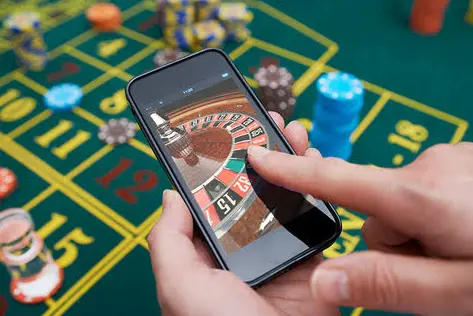
The Blockchain Doesn't Blink
Every satoshi you wager on a live baccarat shoe gets etched into a public ledger forever. The casino's hot wallet, the intermediary processor, the withdrawal path — all of it is traceable with the right chain-analysis tool. So when someone asks if Bitcoin live dealer baccarat is anonymous, the honest answer is: pseudo-anonymous at best, fully exposed at worst. Chain surveillance firms have stitched together wallet clusters that link deposits back to exchange KYC records. One slip — a reused address, a withdrawal to a verified exchange — and your entire session history becomes a breadcrumb trail.
What the Live Dealer Actually Sees
Here's where the hardware meets the paranoia. A live baccarat studio streams from a physical table with real cards, real dealers, and a camera rig that captures everything. The dealer sees your username, your bet pattern, your chat behavior. The pit boss software logs your session ID, IP address, and device fingerprint. That's not crypto anonymity — that's a digital dossier. The BTC layer protects the payment rail, but the gaming platform itself is a different beast entirely. 🔒

No-KYC Casinos and the Loophole Reality
Plenty of offshore operators advertise no-verification baccarat tables. They let you deposit BTC, play live, and withdraw without uploading a passport. Sounds perfect. But dig into their backend and you'll find wallet clustering, IP logging, and behavioral analytics running silently. The loophole isn't anonymity — it's delayed identification. They don't ask who you are upfront because they're building the profile anyway. When a withdrawal triggers a risk flag, that profile becomes a frozen account and a compliance report. 😑
VPNs, Mixers, and the False Sense of Cover
Running a VPN and a coin mixer before hitting the live baccarat table adds friction, not invisibility. Mixers have been cracked. VPN exit nodes get subpoenaed. And the live dealer stream itself requires a stable, low-latency connection that often leaks more metadata than a clean wallet ever would. The player who thinks they're invisible is usually the easiest to profile — because they've stacked obvious obfuscation tools that scream "I'm hiding something" to any half-decent risk engine.
The Real Threat Model
If your goal is hiding from a spouse or a nosy neighbor, Bitcoin live baccarat delivers enough cover. If your goal is evading a determined forensic accountant or a regulatory body with chain-analysis contracts, you're already burned. The only genuinely anonymous path is a fully decentralized, non-custodial game with no live human dealer — and that's not what a live baccarat studio is. The moment a real dealer shuffles real cards on a real table, you're in a surveillance environment dressed up as a crypto haven. 🎲
Session Fingerprints You Can't Erase
Every bet you place on a live baccarat table generates a timestamped event. Combine that with your wallet's transaction graph and you get a cross-referenced identity map that survives any single platform shutdown. The blockchain remembers. The casino remembers. The dealer's camera remembers. Anonymity in this niche is a marketing word, not a technical state — and anyone selling you otherwise is either ignorant of the stack or lying about it.